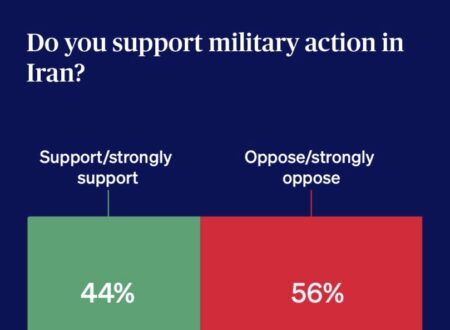
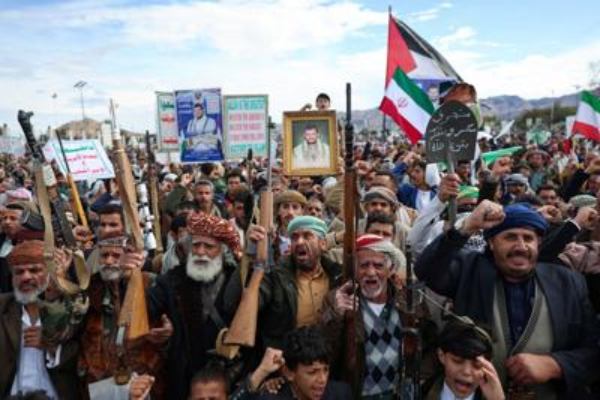
The situation in the Middle East just took another serious turn — but depending on what you watch, you might not even realize how deep it’s getting.
Reports confirm that Iran-backed Houthi forces are now entering a prolonged, month-long conflict, escalating tensions in a region that’s already been on edge for years. This isn’t some overnight flare-up — this is calculated, drawn-out pressure.
What’s Actually Happening?
The Houthis, a militant group based in Yemen and backed by Iran, have been increasing attacks and extending their campaign over a sustained period, targeting key routes and strategic areas. This includes disruptions that could affect global trade, shipping lanes, and regional stability.

Translation?
This isn’t just “over there” — this can hit economies worldwide, including the U.S.
We’re talking about:

- Shipping routes being threatened
- Oil flow potentially impacted
- Military tensions rising between major powers
And when those three things mix… history tells us it doesn’t end quietly.
Why This Matters More Than They’re Saying
Here’s the part that doesn’t get enough attention:
Conflicts like this don’t stay isolated.
Every time tensions rise involving Iran-backed groups, it pulls in bigger players — directly or indirectly. The U.S., Israel, Saudi Arabia… all of them are connected to this chessboard in some way.
And once those pieces start moving, things can escalate FAST.
My Take (And A Lot of People Won’t Like This)
Let’s be real for a second…
We’ve seen this pattern before.
Conflict builds slowly.
Media downplays it early.
Then out of nowhere — it’s a “major crisis.”
The question is:
Are we watching another situation being set up to justify deeper involvement later?
Because if history has shown anything, it’s that prolonged conflicts don’t just “drag on” without somebody benefiting behind the scenes.
Bigger Picture
This isn’t just about Yemen.
This isn’t just about Iran.
This is about:
- Power
- Control of resources
- Global influence
And the scary part?
Most people won’t start paying attention until it directly affects gas prices, the economy, or American troops.
What Do You Think?
Is this just another regional conflict…
Or the early stages of something bigger?
Drop your thoughts below 👇
Is this being UNDERPLAYED… or OVERHYPED? YES or NO?